
Heritage · Memory Keepers
Real Heritage Research, Turned Into Stories.
Marrakech, France, Cuba — places with history, told from within.
Explore illustrated books, archival research and resources created to preserve the stories hidden in places, documents and family memory.
Books & Collections
Stories born from real places, archival research and cultural memory.
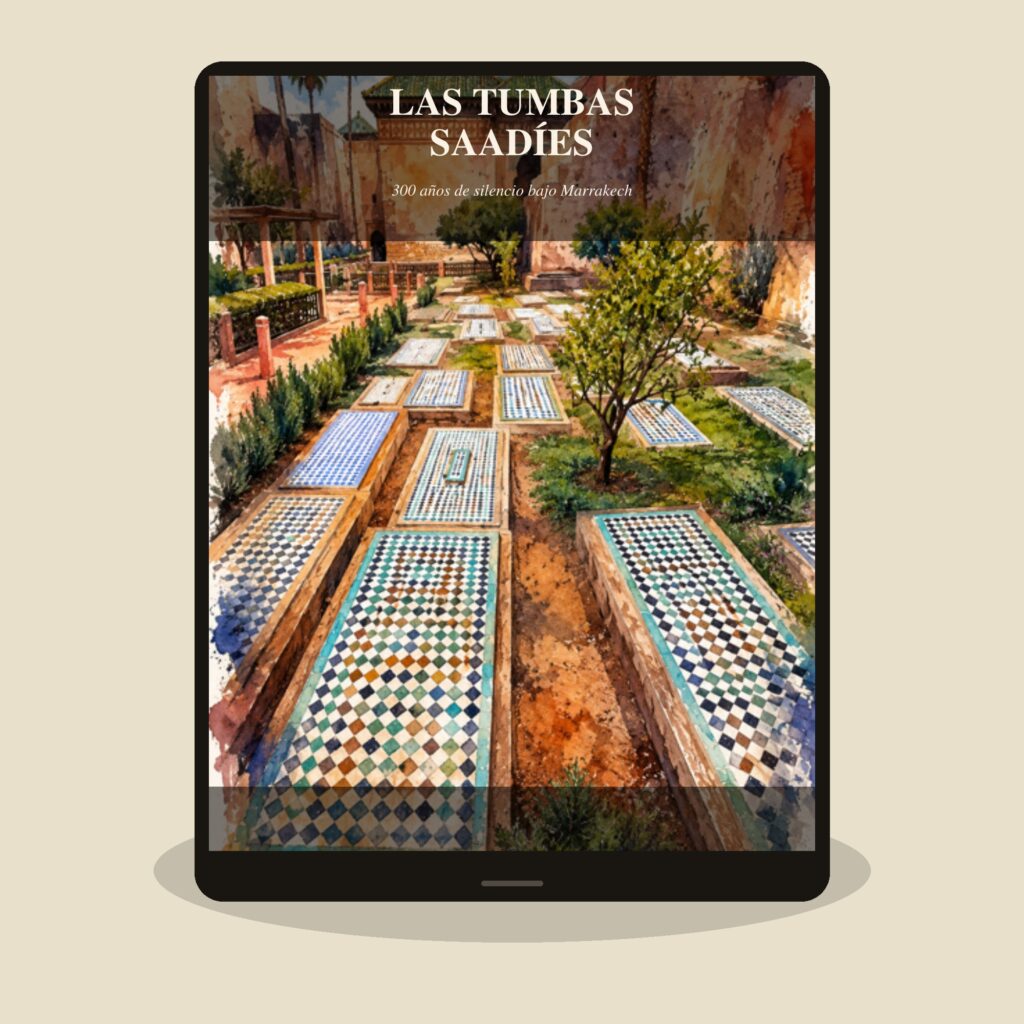
Marrakech: Alma y Arquitectura · Book One
The Saadian Tombs
300 Years of Silence Beneath Marrakech
A documented journey into one of Marrakech’s most extraordinary hidden monuments — its rediscovery, architecture, craftsmanship and the stories preserved behind its walls.
25 illustrated pages · PDF · Available in two editions
Add an overline text
Marrakech: A Multi-Dimensional Cultural Heritage Project.
Comprehensive documentation of the Medina’s architecture, 19th-century photographic archives, and the living traditions of the Souks and Jemaa El-Fna.
Deep Research: The Soul of Marrakech
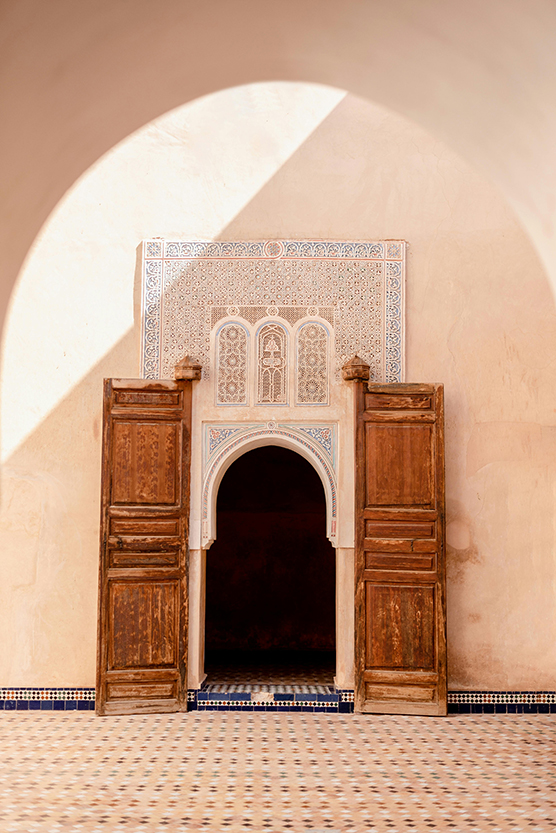
Palatial Aesthetics: The Bahía Synthesis
Our field investigation at the Bahia Palace examines the zenith of Alawi-period craftsmanship. This study documents the transition from the rigid verticality of earlier dynasties to a sprawling horizontal luxury, characterized by the ‘horror vacui’ of its carved cedar-wood ceilings (zouaq) and intricate polychromatic stuccowork. By mapping the layout of its grand courtyards and private riads, we certify the Bahia not just as a residence, but as the final monumental evolution of traditional Moroccan decorative arts under grand vizierial patronage.
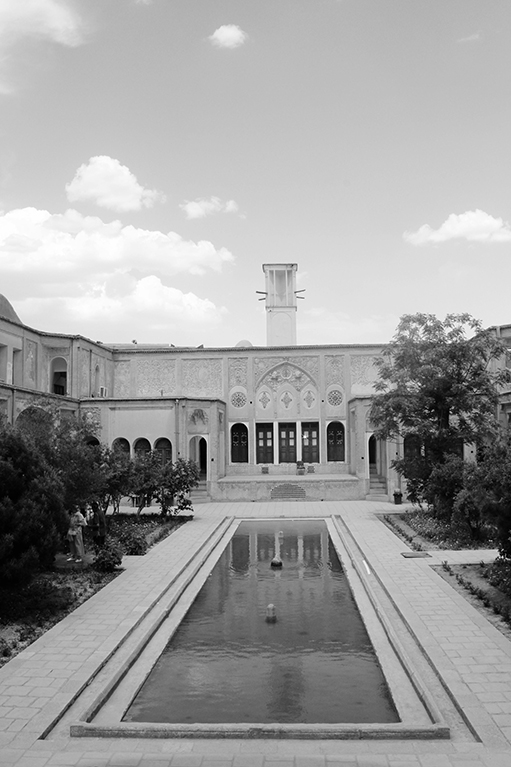
Imperial Geometry: The Ben Youssef Paradigm
A forensic examination of the Saadian architectural canon reveals a sophisticated interplay of Euclidean geometry and spiritual symbolism. This field study documents the Madrasa’s courtyard as a masterclass in proportion, where marble, stuccowork, and cedar converge to define the Marinid-Saadian aesthetic. Our archival research focuses on the rhythmic repetition of floral motifs and epigraphic carvings, certifying the structure not merely as a monument, but as a living manuscript of North African dynastic power and mathematical precision.
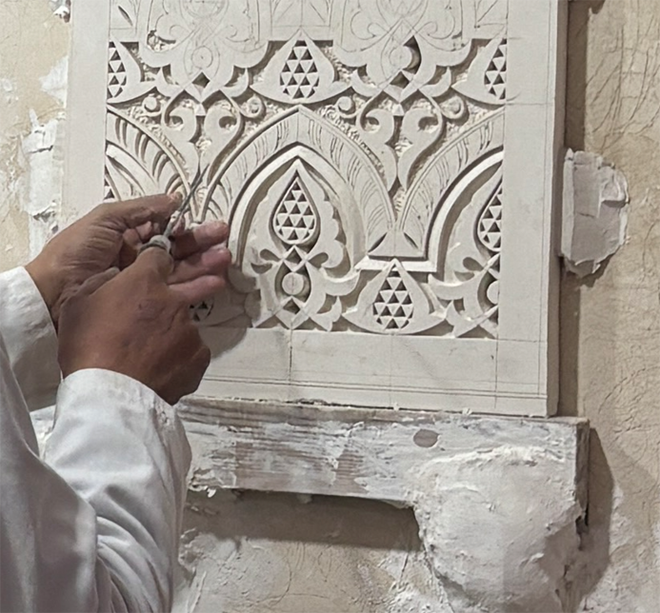
The Living Souks: Artisanal Guilds & Materiality
Our fieldwork moves beyond trade to document the critical preservation of medieval artisanal guilds within Marrakech. This study catalogs traditional manufacturing processes, focusing on the tactile materiality of vegetable-tanned leathers, hand-carved stuccowork, and traditional weaving looms. By analyzing the engineering of the souks’ indigenous shading structures—from cane woven ceilings to geometric wooden lattices—we certify these commercial arteries as primary, active sites of intangible cultural heritage and ancestral knowledge.
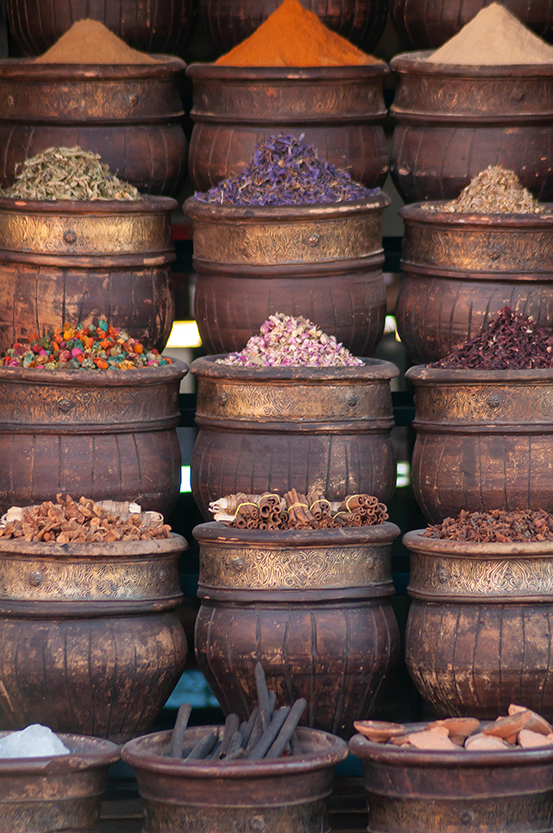
Culinary Alchemy: Fusions & Routes
Our research catalogs the Moroccan culinary landscape as a sensory archive of trans-Saharan trade routes. This study focuses on the ‘alchemy’ of the spice markets, where the convergence of Amazigh, Arab, and Andalusian influences creates a unique taxonomic system of flavor and preservation. By documenting traditional vessels and slow-cooking methods, we analyze the domestic chemistry that has sustained the Medina’s identity for centuries, certifying the kitchen as a primary site of North African material history

Botanical Heritage: Ancestral Pharmacopeia
Our field study documents the ethnobotanical landscape of Marrakech, focusing on the ancestral methods of preparation preserved in the Medina’s traditional apothecaries. This research catalogs the raw materiality of North African beauty rituals—from the manual extraction of Argan oil via stone mills to the intricate distillation of floral essences. By documenting these organic compounds and their artisanal storage, we certify the Plaza of Spices as a primary site of sensory history and sustainable botanical knowledge.
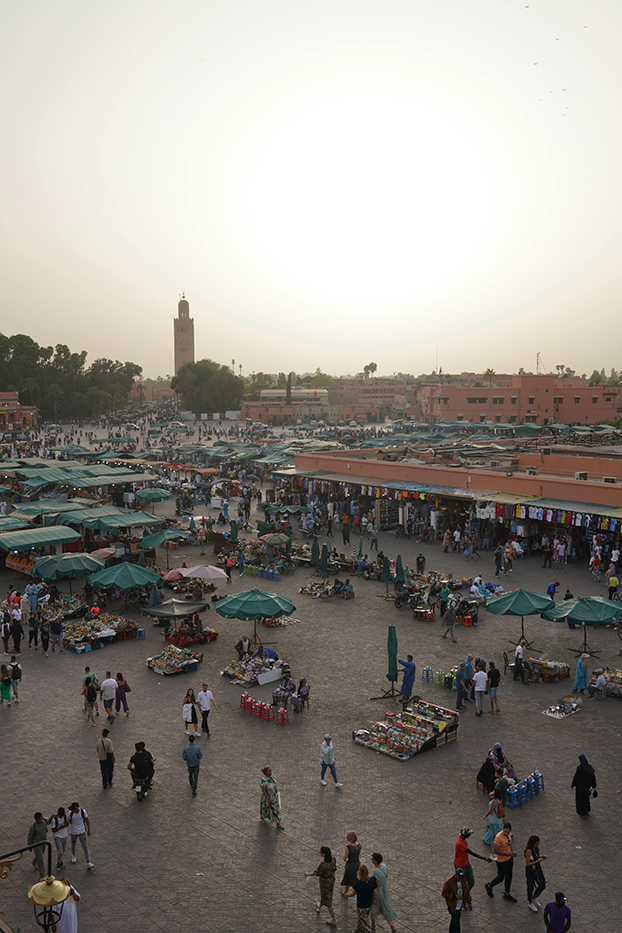
Visual Memory: Oral Traditions & Archives
Our final field study focuses on the preservation of Marrakech’s intangible heritage through visual and auditory archives. This research documents the oral storytelling traditions of Jemaa el-Fnaa—a UNESCO Masterpiece of the Oral and Intangible Heritage of Humanity—alongside a curated collection of late-century urban life. By analyzing the evolution of musical rituals and archival spatial layouts, we certify the city’s historical media not just as nostalgic records, but as vital instruments for the continuity of North African collective memory and cultural identity.